Showing posts with label Healthy Eating. Show all posts

How turmeric can lower blood sugar levels?

Turmeric, also known as haldi in hindi, is one of the most widely used spices to add colour and flavour to food. However, if you suffer from diabetes, this spice is an essential ingredient you need to include in all your food preparations without fail. Known to be a potent antiseptic and a powerful antioxidant agent, turmeric is packed with numerous health benefits. Moreover, turmeric acts as an effective natural remedy to keep your blood sugar levels in control. Here’s what makes it a natural anti-diabetic compound.

How does it work?

Fabulous health benefits of Margosa (Neem)

Margosa is a very common tree in India. It is a large evergreen dense tree growing some 10 to 10.5 meter tall with a girth of about 2 to 3 meters. The leaves are divided into numerous leaflets, each resembling a full grown leaf. The tree has small white flowers in auxiliary bunches and 1.2 to 1.8 cm long green or yellow fruits with a seed in each.
The margosa tree has played a key role in ayurvedic medicine and agriculture since time immemorial. It is indigenous to South Asia, where up to twenty million trees line the roads. The tree occurs naturally in the Deccan peninsula. But is, cultivated all over India. It is also common in Indonesia, Sri Lanka, Myanmar, Japan and tropical regions of Australia and Africa.

Ganesh Chaturthi Special Varan Bhaat Recipe 2014

Ganesh Chaturthi brings people of all religion, caste and creed together.

Ganesh Chaturthi is celebrated with great devotion all over India. People bring home murtis (Idols) of Lord Ganesha and celebrate the festival by worshiping the Lord in a special way for a day and a half, 5 days, 7 days or 11 days depending on the family tradition and commitment of each individual.

On the last day of worship the idol is taken out in a colorful and musical procession to be immersed traditionally at a beach.

On this special festival cook delicious Varan Bhaat for your family.

Recipe:

Delicious Eid Dishes Reciepes

The arabic name Eid al-Fitr translates to 'festival of the breaking of the fast' in English. It marks the end of the month-long fast of Ramadan, and the beginning of the Islamic month of Shawwal.

Eid al-Fitr is observed when the first new moon is sighted.

This can lead to the festival being celebrated on different days in different parts of the world.

Here are some deliciously sweet and savoury dishes to relish this Eid.

Orange juice increases hemoglobin levels

Orange contains Vitamin B6 which accelerates production of hemoglobin in the system. The juice thereby prevents any cell damage and is beneficial for anyone suffering from anemia. It pumps iron into the blood stream. Additionally, it is a source of calcium, which promotes bone and teeth health. It also helps to lower bad cholesterol levels and protects against inflammation.

Tip: Have at least two glasses of fresh orange juice regularly (preferably unstrained), with the pulp. Avoid adding any sugar. This dose of Vitamin C will help do away with iron deficiency in the system.

Eggplant: Key facts, health benefits and risk

The eggplant, also known as aubergine, garden egg, guinea squash, melongene and brinjal, is usually distinguishable by its signature egg-like shape and vibrant purple color.

No matter the name, shape, or color, all eggplants contain many beneficial nutrients and phytochemical compounds that benefit human health. This article will focus on the nutritional benefits of the traditional purple eggplant.

Handy tips for freezing & reheating meat

Meat-freeze zone
If you want to freeze raw meat at home, make sure you do it before the “use by” date, and preferably as soon as you get it home. Defrost properly, try to use within one day of defrosting and make sure it’s cooked right through before serving.

Use the right setting
If you’re defrosting meat or fish in the microwave, choose the defrost setting or use low power to stop the outer edges of the food cooking before the middle defrosts. Arrange loose pieces of fish or meat in a single layer with thickest parts or largest pieces towards the outside.

Cumin Seeds: helps in treatment of various disorders

Cumin is an annual herb, with a smooth surface and long, slender root It grows up to a height of 35 to 45 cm. It produces a stem with many branches which bear long, finely divided, deep green leaves and small flowers, white or rose in color. The plant has aromatic seed-like fruit, commonly known as cumin seed. It is oval-shaped, approximately 6mm long and light yellowish-brown in color. It has a peculiar, strong and heavy odour. The dried seeds form an essential ingredient of curry powder.

Orthorexia: How healthy a diet can go wrong

One of the most dangerous eating disorders can be disguised as healthy eating. It's called orthorexia -- an extreme fixation on eating pure foods.

Social media sites are filled with posts about so-called "clean diets," but therapists say those diets can lead some people to an unhealthy obsession.

Alisha Killian now enjoys making lunch and spending time with her dad in their Northeast Fresno home. But for years, the 25-year-old Fresno State student dreaded mealtime because of her eating disorder. Killian wasn't eating bad food or not eating at all; she was eating too much good food.

The Roles of Vitamins and Minerals in our life


Q. It seems that not so long ago the only people interested in nutrition were A- level biology and home economics teachers and may be mum. Now the topic is constantly in papers and magazines. Why is nutrition such a popular topic these days? And what do vitamins and minerals have to do with it?
A. Critics say that our current fascination with nutrition is merely a media craze dreamed up by vitamin supplement industry to strike a chord with the middle aged. Nut that now where the truth. Nutrition is a major topic just now for good reason. Within the last 10 years or so, researchers on the both sides of the Atlantic have been conducting impressive new nutrition studies. This research goes miles beyond our previous understanding of the role nutrition plays in health.

Great breakfast ideas for a healthy day


A healthy breakfast prevents unhealthy weight gain, but late working hours or a rushed morning are the reasons why most of us tend to skip breakfast. For those who have no time in the morning, here are 15 breakfast ideas, which are healthy, nutritious and filling.

1. Energy bar:

This is the quickest way to increase your energy levels in the morning. But there are energy bars that contain preservatives and additives; hence it is advisable to prepare energy bars at home. Also, you can choose your own ingredients. For example, you can add nuts, fruits, oats, dark chocolate, dates, cinnamon, dried fruits, etc. Blend it and bake it or chill it. Store in an airtight jar and grab a couple of bars on your way out.

2 . Smoothies:

Dice and blend are the two steps you need to take, to make a smoothie. In a mixer or food processor add fruits with milk to make a healthy smoothie without artificial flavouring. You can chug it down or carry it with you to work.

3. Fruits:

Fruits are rich in fibre, antioxidants, carbohydrates and vitamins, ingredients you need to kick-start your day. Bananas and apples are a perfect combination to start the day.

4. Eggs:

Eggs are quick to prepare - boiled, fried, poached, scrambled or sunny side up. There are different ways to prepare eggs and this hearty breakfast will keep you satiated and charged throughout the day.

5. Peanut Butter:

Generously spread peanut butter between slices of whole wheat bread. This will boost your energy levels in the morning; and it can double up as a pre-workout snack. It will also keep you feeling full.

6. Oats:

Most offices have access to hot water. Have breakfast at your desk by preparing oats with piping hot water. Add dried fruits for natural flavouring and vitamins.

7. Date rolls:

Keep a jar of this: take dried dates and stuff them with nuts. Pop them in your mouth on your way out. This instant healthy breakfast is a powerhouse of energy.

8. Bruschetta:

No time to prepare upma or idli in the mornings, then try this quick breakfast idea. Take toast, generously spread ricotta cheese, beans or salsa. This Italian snack is not only healthy, but it is quick and easy to prepare.

9. Coffee:

Coffee is a great way to boost energy but you slump back to lethargy after 'the effect wears off'. Coffee is also considered a pre workout food. Drink a lot of water to stay hydrated, since coffee tends to dehydrate you.

10. Muffins:

Prepare muffins with bran or oats and you can carry it with you as you rush to work. Also, preparing muffins is not time consuming.

11. Celery sticks:

Peanut butter spread on celery sticks makes a great breakfast idea and can eaten as a snack too.

12. Cereal:

Instead of instant and packaged cereals, take a bowl, fill it up with wholegrain cereals without artificial flavouring and sugar. To this add berries and yoghurt.

13. Yoghurt:

There are several types of yoghurt available in the market - flavoured and with fruits. Avoid these and in a bowl add fruits, dried fruits or nuts to the yoghurt. You can also add cereals to this mix. For additional sweetness, add honey instead of sugar to the yoghurt.

14. Banana Oats Cookie:

This can be prepared in advance as you need to bake the cookies. Store them in an airtight jar and consume them fresh in the morning. You can also eat these cookies with a glass of warm milk for additional health benefits.

15. Instant Wrap:

Leftovers always come in handy. Most households have chapattis from the previous night; use them to make a quick Frankie or wrap. Toss in scramble eggs, and leftover salad and season it with herbs.

source: TOI

Key diet myths that can ruin your health!

What to eat, when to eat and how often to eat are questions that bother us perennially. And the excessive amounts of information we have these days can leave us confused on what to include and what to avoid in our meals. Here are 10 diet myths that we bust today.

Myth: Eggs increase cholesterol levels so should be avoided.

Truth: Eggs are actually good for your health. Eating one egg a day will provide your body with various nutrients like zinc, protein, vitamin A, B, D, calcium, iron, phosphorous, choline and lutein. It is well within the daily requirement of cholesterol by our bodies and so consuming one egg every day will only do good to our system. (Read: Eggs – good or bad for health?)

Myth: It is impossible to eat healthy in a pub.

Truth: Order smart and you can still be eating healthy even in a pub. The trick is to keep track of your food choices and avoid binge eating. Opt for tandoori fish/chicken/paneer or grilled chicken/fish/paneer, steamed momos, satay, shish kebabs. Drink lots of water to keep yourself hydrated. If drinking, take small sips so that it lasts longer and nibble on food in-between sips. Stick to one type of drink like beer or wine instead of cocktails as they pack in lots of calories. Or be the designated driver and stay away from alcohol altogether.

Myth: Eating before and after a workout session will make your exercise efforts redundant.

Truth: Eating is very important both before and after a workout. This is because what you eat prior to your exercise will help fuel the session and result in muscle building. What you consume post workout will help in recovery making sure your body has all the nutritional supplies it needs after the exhaustive regimen. Eat carbs and proteins an hour before you exercise and vitamin supplements, carbs, proteins, water or sports drink within an hour after your regimen is over. (Read: What to eat before and after workouts)

Myth: You have to eat only bland food if you suffer from high BP or hypertension.

Truth: You can certainly enjoy tasty food even if you are a BP patient – all that is needed is to monitor your salt intake and lead a healthy life without taking too much stress. You can make a high-fibre pasta dish using whole wheat penne and adding lots of veggies in it. Another dish is flaxseeds raita as it prevents the oxidation of LDL (bad cholesterol) and builds immunity. It also provides essential omega 3 fatty acids and calcium. (Read: Tasty recipes to keep BP under control)

Myth: Drinking something along with your meal helps in faster digestion of food.

Truth: Liquids reach the intestine before food thus taking away all the digestive enzymes and inhibiting digestion of food. Beverages like coffee, tea, soft and hard drinks also restrict gastric secretions while citrus fruit juices bring down starch digestion creating gas and fermentation. It is best to have them prior meals or an hour after meals.

Myth: You have to starve yourself if you want to lose weight.

Truth: Eating right is more important than not eating when on a weight loss mission. Include food items that suppress appetite and increase metabolism so that you don’t each too much. Add chillies to your meals as they help burn energy even hours after the meal. Olive oil reduces appetite while ginger increases metabolism and aids digestion. (Read: Weight loss diet by expert dietician)

Myth: Rice is bad for health.

Truth: Many people completely avoid eating white rice as they think it does not have any nutritional value. Rice is good for people who want to gain weight. Also, you don’t have to omit it from your diet, it can be eaten twice a week. It is a good idea to have it for lunch so that the body can use energy from carbohydrates. Make the switch from white to brown rice as it is healthier – it has vitamin B, fibre, keeps you full for longer and can be eaten by diabetics as well.

Myth: Using olive oil is best for cooking.

Truth: Using olive oil or extra virgin olive oil for cooking is not always good. This is because it has a low to medium smoke point – the temperature it starts to burn, producing harmful chemicals. It means if you use it to fry something, it will star to burn and lose its nutrients. Olive oil is good for sautéing veggies or a salad dressing. For Indian cooking, it is best to use an oil with a higher smoke point like rice bran, sunflower, sesame, etc. (Read: Is your cooking oil making you unhealthy?)

Myth: Drinking alcohol is bad for your health.

Truth: Drinking excessive amounts of alcohol is certainly bad for your health but there are studies which show that drinking in moderation has many benefits. Flavonoids present in red wine reduce the risk of cardiovascular diseases by warding off cholesterol build-up. A glass of wine every day boosts libido in women. Drinking a pint of beer too reduces your risks of a stroke.

Myth: A high-protein diet is ideal for everyone.

Truth: While a high-protein diet is good if you are on a weight loss programme, it is not recommended in the long run. It needs to be supplemented with a high energy workout. Usually athletes and body builders follow this diet in order to increase their muscle mass. A balanced diet with regular intake of protein is better than just a high-protein diet as it can increase cholesterol levels and place a lot of stress on the kidneys.

source: health.india

Healthy Lifestyle Linked To Memory Boost

A new poll has found that a healthy diet and lifestyle can boost memory across all adult age groups.

Past studies have shown various benefits that healthy eating and lifestyle habits have on a person's health. A new poll now shows that a healthy lifestyle can also be very beneficial for a person's memory.

The poll, which was conducted by UCLA researchers and the Gallup organization on 18,552 U.S. adults aged 18 and above, found that eating healthy, not smoking and regular exercises,increases a person's memory.

Researchers also found that people who indulged in even one healthy habit from the list mentioned above had a 21 percent boost in their memory compared to people who did not follow even one healthy lifestyle choice.

Researchers were also surprised to find that 14 percent of the youngest adult group (aged 18 to 39) complained about memory problems. As expected, 22 percent of the middle-aged adult group (aged 40 to 59) and 26 percent of older adults (60 and above) complained about memory issues.

"Memory issues were to be expected in the middle-aged and older groups, but not in younger people," said the study's lead author, Gary Small, director of the UCLA Longevity Center.

According to Small, there is a difference in the memory problems suffered by young adults and older adults. While age is the cause of older adults' memory problems, factors like stress and unhealthy lifestyle cause younger adults to have memory issues.

"Along with the other healthy behaviors, it's likely that healthy eating is helping keep the heart and blood vessels healthy," says Mary Ann Johnson, national spokeswoman for the not-for-profit American Society for Nutrition. "The brain needs a healthy blood supply to function. We think of losing one's memory as late in life, but it is a very long process that has been playing out over decades."

Neil Levin, spokesman for the not-for-profit American Nutrition Association, says, "The earlier signs of people's memory starting to decline in younger years are not necessarily associated with Alzheimer's. A lot of young people tend to feel either they are invulnerable or they are not going to live a long time so they might engage in riskier behaviors in terms of diet, smoking and lack of exercise that would affect them long-term."

The findings are published in the June issue of the journal International Psychogeriatrics.

source: hngn

Best Post Workout Snack Recovery Diet Ideas

workout dietPost a good workout you need a good workout snack to help your body recover, rebuild your muscles and get back to shape. It is advisable to consume a post workout snack rich in proteins in 30 minutes of your workout. Priya Kathpal, Nutritionist with BCube Advanced Sports Nutrition gives you seven post workout snack ingredients that will pump your body’s recovery mode. She gives you seven post workout snack ingredients and why they are beneficial for you.
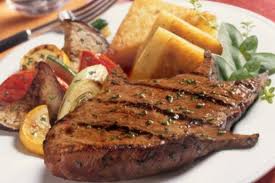
Scientifically, there are several reasons why a post workout snack helps the body (Via):

* Replenish muscle glycogen that was depleted during your workout.

* Reduce muscle protein breakdown caused by exercise.

* Increase muscle protein synthesis.

* Reduce muscle soreness and fatigue.

* Greatly enhance overall recovery.

* Reduce cortisol levels.

Expert Speak on post workout snack


“Muscle grows on proteins but when it comes to using energy, good quality carbohydrates are the way to go. Right combination of these two would help build the muscles,” explains nutritionist, Priya.

She lists out these foods that can help you post the workout, “Some of the foods that are great muscle builders are…”

Eggs – possesses extremely high biological value thus a large amount of protein absorbed from eggs is readily available for use in the body.

Eggs are extremely versatile ingredient and you prepare about snack with it.

Mackerel – higher omega 3 content helps reduce the inflammation in the muscle generated post an intense work out, also rich in proteins.

There are several fishes and vegetarian ingredients that are rich in Omega 3 fatty acids. But mackerel has the highest amount of Omega 3 hence it recommended to consume dishes prepared with mackerel.

Low fat cottage cheese – contains a specific protein known as casein which provides a sustained protein release so great for night time to make sure your muscle does not go hungry while you are sleeping.

Lentils – contains loads of fiber and slow burning carbohydrates that can provide energy to your muscles for a long time.

Lentils are part of most Indian foods and all for the right reasons. If you workout then a good lentil dish can take care of the muscles in the body.

Almonds – contains more proteins and fiber than most of the nuts, rich in vitamin E which helps fight the free radicals, high levels of B vitamins helping the energy metabolism; in short a perfect adjunct to any muscle building diet.

What's better for high intensity exercise - water or sports drinks?

It is right to say that sports drinks do a better job of hydration than water. Dehydration during exercise is caused due to sweating in which water and body’s electrolytes are lost. During exercise sweating occurs so as to maintain the core temperature of the body. Carbohydrate stores of the body are also depleted during exercise as the muscles use the glycogen stored in them as well as that of the liver.

Sports drinks are made up of water, salt, electrolytes, glucose or glucose polymers and fructose. Glucose and salt increase the absorb-ability or uptake of water in the body. The absorption of plain water as compared to the sports drinks is less and therefore, sports drinks improve hydration.

There are two main factors which affect the uptake of a drink or fluid in the body


* The speed at which it is emptied from the stomach

* The rate at which it is absorbed through the walls of the small intestine.


Glucose in the drink will prevent blood glucose levels to fall too low and also help to maintain body’s glycogen stores. Sodium and potassium are the main electrolytes which help maintain the hydration and reduce urine output.

Vitamin B-12 most essential part of healthy diet

meat
Meat is a good source of Vitamin B-12

Call it hypocobalaminemia. Think of it as the snake in the grass.

But all you need to remember is B-12.

A lack of this vitamin, absorbed from meat, eggs, milk and cheese, is crucial for red blood cell production. Without enough of these oxygen-carriers, a person could feel weak and tired, experience numbness in hands and feet, have balance problems, feel joint pain and become short of breath. Vitamin B deficiency in its extreme form can cause depression, paranoia, memory loss, incontinence and loss of taste and smell.

Who is at risk? More and more people all the time. And the truly unfortunate part is that measures to control weight and eat healthfully can cause you to get less B-12 and therefore become sick. Vegetarian diets and weight-loss surgery are big culprits.

Plants don’t make Vitamin B-12, which puts vegans at high risk if they don’t eat grains fortified with it or take a vitamin supplement. Weight-loss surgeries that impede absorption — such as gastric bypass — can also cause low B-12. People with celiac or Crohn’s disease have a problem, often, as do people who take a lot of heartburn medication, because they reduce stomach acid and stomach acid is needed to absorb B-12.

In addition to those risk factors, anyone over 50 and people who take the diabetes drug metformin should be aware of this.

While a doctor may be able to assess a person’s individual level of risk, a blood test is the only way to determine if it’s an issue.

B-12 deficiency is corrected with either weekly shots or daily high-dose supplements.

A standard multivitamin usually contains 6 mcg, which is more than enough for the average person (2.4 mcg).

Sources: Harvard health letter; Web MD

Delicious Fish Recipes for a Healthy Heart

fish foodWhen eating for your heart, it is not only vital to stay away from high cholesterol food items and commit to a regular exercise routine – it is also important to create and maintain heart healthy food variety and availability at home. In addition, when it comes to heart health, fish is always in the top ten list of heart healthy foods. Oily fish like salmon, trout, mackerel, tuna and sardines are full of omega-3 fatty acids, which lower "bad" LDL levels, decrease blood pressure and lowers levels of blood fat called triglycerides by 25%-30%.

The American Heart Association recommends at least two servings of fish per week for a heart-healthy diet. There is substantial proof that omega-3 fatty acids cut the risk of heart related ailments such as heart attack and dangerous heart rhythms in people with cardiovascular diseases. Of course, the heart health benefits of fish in your diet will stand negated if you fry or add too much salt in the fish dish’s preparations. The way that you prepare otherwise healthy foods makes a big difference to what you actually gain from the meal’s nutrient value. It's always best to broil, grill, or steam these foods.

Here are two delectable healthy fish recipes that retain all the heart health goodness while giving you delicious meal options for a healthy lifestyle:

Grilled Mackerel
Ingredients: Olive oil , salt to taste , 1 lemon zest & juice , 2 fresh mackerel , 600 gms potatoes , 1 tsp wholegrain mustard , 1 tbsp white wine vinegar , 1 red onion (finely sliced) , 1 fennel bulb (finely sliced) , 1 cup parsley (roughly chopped) and freshly ground black pepper to taste.

Method
• Preheat your grill to a medium-high heat.

• Clean the mackerel and get rid of all the rib bones.

• Squeeze a few drops of lemon juice and a sprinkling of zest over mackerel well and sprinkle them with olive oil.

• Now, place the mackerel, skin side up, for at least five minutes. Make sure to turn its side when you are half way through the grilling process.

• For salad, boil the potatoes and cut them in half.

• Place the potato pieces in a mixing bowl and add a dash of olive oil, the rest of the lemon juice and zest, along with mustard and vinegar.

• Mix all the ingredients together well and add the finely sliced onion and fennel.

• Now, add parsley and seasoning.

• Place the salad on the serving plates to form a mound. Carefully lay the mackerel fillets on top of salad.

• Grilled Mackerel is ready to serve.

Salmon Curry

Ingredients: 2 pounds salmon steaks, 1 large onion (chopped) , 1 large tomato (chopped) , 2 tbsp lemon juice , 1tsp garlic paste, 1 tsp ginger paste , 1 tsp red chili powder , 1 tsp turmeric powder , 1 tbsp coriander powder , 1 tsp poppy seeds , fresh coriander leaves , salt to taste and 1 tbsps oil.

Method
• Marinate lemon juice, salt and turmeric powder and half tablespoon of oil with salmon streaks and let it stand for 20 minutes.

• Stir fry onions and ginger garlic paste in half tablespoon of oil until they turn light brown.

• Add poppy seeds, red chili powder, turmeric powder, coriander powder and salt.

• Add chopped tomatoes and marinated salmon steaks to the mixture.

• Cook until salmon steaks are cooked.

• Garnish with chopped coriander leaves.

Shocking truths about your healthy diet

herbal teaThe truth about margarine, cream and lard

Butter, cream and lard are bad, right? Well, it turns out that they might not be as bad as you think and the ‘healthy alternatives’, such as margarine and vegetable oils, may not be all that good for you. This is according to the 2002 issue of Biomedicine and Pharmacotherapy, which indicated that the omega-6 content of margarine, sunflower oil and soybean oil, could lead to cancer, heart attacks and rheumatoid arthritis.

Fascinatingly, as an alternative to these omega-6 rich foods, it is advised that we instead replace these fats with things we might consider unhealthy, such as cream, lard and butter because all of these foods contain less omega-6 fatty acids.

The truth about herbal tea

If you thought that drinking a warming cup of herbal tea was doing wonders for your health, think again. Although herbal teas can contain antioxidants and are often considered healthier than a cup of tea or coffee, it turns out that some herbal teas can ruin your teeth.

Researchers at the University Dental Hospital of Manchester conducted a study into the effect of herbal tea on teeth and placed extracted teeth into blackcurrant, vanilla, ginseng herbal tea for fourteen days. They then also placed extracted teeth into black tea and water for the same amount of time. The teeth that had been placed into the herbal teas were damaged and their enamel had dissolved considerably. Yet those teeth placed into black tea or water were pretty much unchanged. It is thought that the acid in some herbal teas caused this erosion.

The truth about food labels

Food labels constantly trick us into buying products that we think are healthy. It is common for popular food products to promote their so-called healthy qualities on the front of packaging, claiming things like ‘all natural’, ‘low cholesterol’ and ‘light’. Reading these descriptions we might be tricked into thinking that the products are in some way healthier for us, but this is just not true.

When a food product says that something is ‘light’, for example on an olive oil bottle, it indicates that the product is lighter in color and taste, not that it contains fewer kilojoules. Similarly foods whose packaging claims that they are ‘low in fat’ can actually be very high in sugar and sodium. Be aware of the true contents of the food you buy by learning how to correctly read food labels.

The truth about tofu

Tofu is high in protein and contains lots of essential amino acids, but did you know that tofu also contains anti-nutrients? These anti-nutrients make it difficult for your body to absorb minerals, iron and protein.

As well as inhibiting the absorption of healthy nutrients, it is thought that the soy in tofu can increase people’s chances of developing breast cancer. Researchers from the Sprecher Institute at the Cornell University believe that the isoflavones in soy increase the effects estrogen has on the body and therefore they believe soy can effectively feed breast tumours.

The truth about orthorexia nervosa

Although controversial and not widely recognized, orthorexia is thought to be a disorder whereby an individual becomes obsessed with eating to improve their health, to the point where it becomes out of control and negatively affects the individual’s life. People who suffer from orthorexia are often not trying to lose weight and they are not interested in the calorific values of food, they are however interested in its health properties and they strive to only eat healthy foods.

It is thought that those suffering from orthorexia feel as though they are doing something virtuous by cutting out all ‘unhealthy’ foods and experience extreme guilt when they break their strict eating regime. It is thought that there are many repercussions of this disorder as the obsessive nature of orthorexia can isolate sufferers and consume their thoughts and lives.

source: yahoo

Chinese Food: The Forgotten Health Benefits

chinese foodThe dragons have retreated back into their basement storage and the crowds in your local Chinese restaurant have finally died down — sure signs that the two-week-long Asian party known as the Lunar New Year has come to a close.

But don’t put those chopsticks away. In fact, why don’t you invest in a rice cooker and wok, too? It’s time to make good on that flailing New Year’s resolution to eat healthy — and Chinese food, cooked and eaten authentically, can effortlessly get you back on track.

Japanese cuisine has dominated the health headlines for many years. And experts point out that Korean food is quite healthy, too. But do you know how obscenely expensive sushi-grade fish is? Can you really count on your local Stop & Shop to carry Korean chili pepper paste and dried anchovies? Chinese food, in contrast, isn’t precious. Its staples are available anywhere and make for a healthy, diet-conscious, portion-controlled meal. Eileen Yin-Fei Lo, author of many Chinese cookbooks, including Mastering the Art of Chinese Cooking, points out that as little as three-quarter pounds of chicken cut into strips, stir-fried with a few cups of broccoli, and served with steamed rice will serve four to six people. Try divvying up that same amount of grilled chicken breast Western-style, and chances are your guests will scoff, even if you’ve fixed up a couple of side dishes.

Chopsticks — which place far smaller bites in your mouth than a fork or spoon — may help keep portions down, too. A 2008 Cornell University paper reported that healthy-weight guests at a Chinese buffet were three times likelier to eat with chopsticks than obese guests. Brian Wansink, Ph.D., the study’s lead author, has also observed that chopstick-users go back to the buffet table fewer times. “Chopsticks help people slow down,” he says. And when you slow down, your body’s satiety signals are given time to do their job.

Soup — a mainstay of any authentic Chinese family dinner — is also a satiety-promoter. As Barbara Rolls, Ph.D., a Penn State psychologist and author, most recently of The Ultimate Volumetrics Diet, points out, eating a broth-based soup before a meal can reduce food intake by about 20%. Last fall, a European Journal of Clinical Nutrition paper suggested that this is because soups — particularly the smooth sort — take longer to leave the stomach than solids.

“But what about the white rice?” you might ask. True, the bowls are brimming. “But they’re also miniscule!” says Wansink, who, of course, is exaggerating, but only a little. The bowls I stole from my childhood home are utterly dwarfed by my Crate and Barrel purchases. No more than 100 or so calories of rice fit into them. And even if you go back for seconds, you probably won’t eat as much as if you started out with a larger bowl. “We tend to let exterior cues dictate how much we eat,” says Wansink, who later this year will be publishing Slim By Design, a follow-up to his successful first consumer book, Mindless Eating. (He also points out that plates in Chinese restaurants are about 9.5 to 10.25 inches, as opposed to the standard 12-inch plate in most Western restaurants.)

If you can go with brown rice, more power to you. But it’s nice to know that with Chinese food, you’re eating loads of vegetables, ginger and possibly mushrooms with your carbs. More importantly, the meat will lower your glycemic load, and the fibers in your greens will keep your blood sugar levels balanced. This means a more sustained feeling of fullness and energy, says Kantha Shelke, food scientist at Corvus Blue, a nutritional technology think tank in Chicago.

If you cook and eat Chinese food authentically, you will also see why past reports about the mind-blowing salt and calorie content of Chinese take-out dishes misunderstand the cuisine. Yes, orange crispy beef has 1,500 calories — but it’s an atypical dish. The vast majority are steamed or lightly stir-fried, points out Farina Kingsley, the half-Chinese author of several Asian-themed Williams-Sonoma cookbooks who recently developed a Chinese-cooking app. Chinese recipes rarely call for more than two tablespoons of oil and soy sauce, and the oil is usually heart-healthy peanut oil.

According to Shelke’s calculations, if you cooked chicken breast authentic-Chinese-style five days a week instead of American-style, that would reduce your dinner each night by about 125 calories just through portion control alone. That’s 32,500 calories in a year — or almost 10 pounds by the time the Lunar New Year festivities roll around again. Now that’s something worth dragon-dancing about.

source: ideas.time

Overall Eating Patterns Are Most Important for Healthful Eating

The overall pattern of food that a person eats is more important to a healthy diet than focusing on single foods or individual nutrients, according to the Academy of Nutrition and Dietetics in its newly updated position paper "Total Diet Approach to Healthy Eating."

According to the position paper: "In contrast to the total diet approach, classification of specific foods as 'good' or 'bad' is overly simplistic and may foster unhealthy eating behaviors." The Academy's position paper stresses that moderation, portion size and exercise are the key concepts for balancing food and beverage intakes.

The position paper has been published in the February Journal of the Academy of Nutrition and Dietetics and can be found on the Academy's website. It states: It is the position of the Academy of Nutrition and Dietetics that the total diet or overall pattern of food eaten is the most important focus of healthy eating. All foods can fit within this pattern, if consumed in moderation with appropriate portion size and combined with physical activity. The Academy strives to communicate healthy eating messages that emphasize a balance of food and beverages within energy needs, rather than any one food or meal.

The Academy's position paper has been updated to reflect the most current nutrition guidance, such as the 2010 Dietary Guidelines for Americans and the USDA's MyPlate food guidance system; the White House's Let's Move! campaign to reduce childhood obesity and Healthy People 2020. Each of these public policies and dietary patterns supports the total diet approach.

According to the position paper, while studies including the Academy's "Nutrition and You" national consumer survey show Americans are "conscious of the importance of healthy diets and physical activity," most people do not meet the recommendations of the Dietary Guidelines. For example, large majorities do not eat fruit (68 percent) or vegetables (74 percent) more than twice a day, and a substantial number (36 percent) engage in no leisure-time physical activity.

In that environment, according to the Academy: "Labeling specific foods in an overly simplistic manner as 'good foods' and 'bad foods' is not only inconsistent with the total diet approach, but it may cause many people to abandon efforts to make dietary improvements."

The position paper adds: "In 2011, 82 percent of U.S. adults cited not wanting to give up foods they like as a reason for not eating healthier. For these reasons, the concepts of moderation and proportionality are necessary components of a practical, action-oriented understanding of the total diet approach."

According to the position paper, while studies including the Academy's "Nutrition and You" national consumer survey show Americans are "conscious of the importance of healthy diets and physical activity," most people do not meet the recommendations of the Dietary Guidelines. For example, large majorities do not eat fruit (68 percent) or vegetables (74 percent) more than twice a day, and a substantial number (36 percent) engage in no leisure-time physical activity.

In that environment, according to the Academy: "Labeling specific foods in an overly simplistic manner as 'good foods' and 'bad foods' is not only inconsistent with the total diet approach, but it may cause many people to abandon efforts to make dietary improvements."

The position paper adds: "In 2011, 82 percent of U.S. adults cited not wanting to give up foods they like as a reason for not eating healthier. For these reasons, the concepts of moderation and proportionality are necessary components of a practical, action-oriented understanding of the total diet approach."

The Academy's position paper notes that the most recent Dietary Reference Intakes use a total diet approach because it allows for a broad range of foods to meet a person's nutrition needs over time. Therefore, a person can make diet choices based on individual preferences, genetic background, personal health status and food availability.

The position paper was written by registered dietitians Jeanne Freeland-Graves, Bess Heflin Centennial Professor in the department of nutritional sciences at the University of Texas -- Austin; and Susan Nitzke, professor emerita and extension specialist in nutritional sciences at the University of Wisconsin -- Madison.

The Academy's position paper contains advice and recommendations for health professionals as well as consumers. It explains how food and nutrition practitioners can use behavioral theories and models to develop effective nutrition communications; and how food and beverage choices are affected by multiple factors that influence people's ability to make use of expert advice on healthy eating.

Updated sections of the position paper look at new indicators of nutrient quality, such as the Nutrient Rich Food Index, the European Union Nutrient Profiling System and the Overall Nutrient Quality Index. In addition, the Social Ecological model, used in the Dietary Guidelines, is incorporated into the Academy's position as "a guide for understanding why we eat what we do."

According to the Academy's position paper: "Food and nutrition practitioners have a responsibility to communicate unbiased food and nutrition information that is culturally sensitive, scientifically accurate, medically appropriate and tailored to the needs and preferences of the target audience. Some health and nutrition professionals and many 'pseudo-experts' promote specific types of foods to choose or avoid. A more responsible and effective approach is to help consumers understand and apply the principles of healthy diet and lifestyle choices. Unless there are extenuating circumstances (severe cognitive or physical limitations), the total diet approach is preferred because it is more consistent with research on effective communication and inclusive of cultural/personal differences."

source: sciencedaily

Most Effective Health Benefits of Fenugreek

fenugreek

Fenugreek is an erect, strongly scented, robust, annual herb, about 30 to 80 cm high. It has compound leaves of light green colour, 2 to 2.5 cm long, yellow flowers and thin pointed pods. The seeds are brownish-yellow and have a peculiar odour.
Fenugreek is a native of Eastern Europe and Ethiopia. It has been used since ancient times both as a food and medicine by the people living on the shores of the Mediterranean and across Asia.

The leaves contain moisture 86.1 per cent, protein 4.4 per cent, fat 0.9 per cent, minerals 1.5 per cent, fiber 1.1 per cent and carbohydrates 6.0 per cent per 100 grams of edible portion. Its mineral and vitamin contents are calcium, phosphorus, iron, carotene, thiamine, riboflavin, niacin and vitamin C. Its calorific value is 49.

Fenugreek seeds contain moisture 13.7 per cent, protein 26.2 per cent, fat 5.8 per cent, minerals 3.0 per cent, fiber 7.2 per cent and carbohydrates 44.1 per cent per 100 grams. Their mineral and vitamin contents are calcium, phosphorus, carotene, thiamine, riboflavin and niacin. Several alkaloids have been found in fenugreek seeds. Its calorific value is 333.

The seeds contain alkaloid trigonelline and choline, essential oil and saponin. Trigonelline has highly toxic action on neuromuscular preparations. The seeds also contain fixed and volatile oil, mucilage, bitter extractive and a yellow coloring substance. Air-dried seeds contain a little amount of trigonedine and nicotinic acid.

Healing Power

Fenugreek has excellent medicinal virtues. Its regular use helps keep the body dean and healthy. The leaves of fenugreek are aromatic, cooling and mild laxative. The seeds exercise soothing effect on the skin and mucous membranes, relieving any irritation of the skin and alleviating swelling and pain. They increase the secretion and discharge of urine, relieve flatulence and promote lactation in nursing mothers. They also arrest any secretion or bleeding and have an aphrodisiac effect. They are ihe best cleansers within the body, highly mucus-solvent and soothing agents.

Digestive Disorders
Fenugreek leaves are beneficial in the treatment of indigestion, flatulence and sluggish liver. Boiled and fried in butter, they alleviate biliousness. The seeds are also useful in the treatment of colic, flatulence, dysentery, diarrhea and dyspepsia.

Anemia
The leaves help in blood formation. The cooked leaves help prevent anemia and run down condition in girls, usually associated with the onset of puberty and a sudden spurt in growth. The seeds also help in recovering from anemia, being rich in iron.

Deadened Senses

The seeds help restore the deadened senses of taste or smell. The sense of taste dulls due to improper functioning of the salivary glands which often become clogged with mucus and accumulated juices, causing swelling. Similarly, the sense of smell is obstructed due to prolonged accumulations of mucus and other impurities in the nose where the olfactory nerves, that is, the special sensory nerve of smell are based.

Fevers
Tea made from fenugreek seeds is equal in value to quinine in reducing fevers. It is particularly valuable as a cleansing and soothing drink. Fenugreek seeds, when moistened with water become slightly mucilaginous, and hence the tea made from with them has the power to dissolve sticky substance like mucus.

Stomach Disorders

This tea soothes inflamed stomach and intestines, cleansing the stomach, bowels, kidneys and respiratory tract of excess mucus. It is beneficial in the healing of peptic ulcers, as the mild coating of mucilaginous matter deposited by fenugreek provides a protective layer for the ulcers, when it passes through the stomach and intestines.

Respiratory Infections

During the early stages of any of the, respiratory tract infections, such as bronchitis, influenza, sinusitis, catarrh and suspected pneumonia, fenugreek tea helps the body to perspire, dispel toxicity and shorten the gestation period of fever. One can take upto 4 cups of the fenugreek tea. The quantity may be reduced as the condition improves. To improve flavor, a few drops of lemon juice can be used. During the treatment, no other food or nourishment should be taken, as fasting aids the body to correct these respiratory problems in a few days.

Bad Breath and Body Odour

The tea is also beneficial in bad breath and body odour. Unpleasant odors emanate from the body due to accumulations of hardened mucus and other toxins in the nasal and oral passages, the gastro-intestinal tract, the urinary tract, the blood and the vagina. Fenugreek tea, taken regularly helps remove these accumulations from these spots where mouthwash and soap can never penetrate.

According to Lelord Kordel, one of the world's most famous nutritionist, "So potent are the volatile oils in fenugreek and so thorough a job of cleansing do they perform, that often a decided fragrance of fenugreek seeds emanates from the body jx>res of a person using the herb regularly. These oils seek out and penetrate the most remote crevices and creases of the membranous linings within the body cavities. The volatile oils are absorbed into the cell tissues to do their job of rejuvenating our body. Some of them finally find their way into the sweat glands to cleanse and awaken any sluggishness in these parts."

Diabetes
Fenugreek seeds can also be taken for diabetes. The normal dose is 2 teaspoons of powdered seeds taken daily in broth or milk. Two teaspoons of the seeds can also be swallowed whole, daily. Alternatively, they may be soaked in a cup of water at night and the water taken in the morning.

Dandruff

Fenugreek seeds are useful in the removal of dandruff. Two tablespoonfuls of the seeds are soaked overnight in water. In the morning, the softened seeds are ground into a fine paste and applied on the scalp and left on for half an hour. The hair is then washed thoroughly with soapnut (rita nut) solution or shikakai. A paste of the fresh leaves of fenugreek applied over the scalp regularly before washing (he hair also cures dandruff.

Mouth Ulcers
The herb helps in the healing of mouth ulcers. An infusion of the leaves is used as a gargle for recurrent ulcers.

Sore throat
A gargle made from fenugreek seeds is best for ordinary sore throat For the gargle, the solution should be much stronger than the tea. Two tablespoons of fenugreek seeds are put in a litre of water and allowed to simmer for half an hour over a low flame. It is cooled to room temperature and strained. The entire liquid is used as a gargle.

Leucorrhoea
Fenugreek tea used as a douche is very effective in treating leucorrhoea. The solution is prepared in the same manner as for throat gargle.

Swellings
A poultice of the leaves can be applied with advantage in external and internal swellings. It is also useful in burns due to its cooling properties.

Other Uses
Beauty Aid: A paste of the fresh leaves applied over the scalp regularly before taking bath, helps hair grow, while preserving the natural color and keeping the hair silky. The paste applied on the face every night before going to bed and washed with warm water, prevents one from getting pimples, blackheads, and dryness of the face and early appearance of wrinkles. It also improves complexion and makes one look years younger.

Pregnancy and Lactation: The seeds fried in ghee are finely powdered, with wheat flour and sugar to prepare a halwa. Taken in small quantity daily, this helps in quick normalization after delivery. The seed, made into gruel, and given to nursing mothers increases the flow of milk.

Steaming is considered the best method of cooking leaves; in this the vitamins are retained and the vegetable becomes palatable. The dried leaves can be compared to pulses for their protein content. They supplement the lysine-deficient cereal diets.
In Indian homes, fenugreek seeds are generally used as a condiment for flavoring. They form an ingredient of curry powder. They are also used in bread and bakery products in Egypt and Ethiopia. In Switzerland they are used for flavoring cheese. In the U.S.A. they are used in the preparation of spice blends and a wide variety of soups and stews. The seeds are used in the preparation of hair tonics and cosmetics in Java.