

Showing posts with label Healthy Living. Show all posts
Showing posts with label Healthy Living. Show all posts
What role does magnesium play in the body

TAVR: Most exciting innovations in heart care

A minimally invasive technique for aortic valve replacement has emerged as one of the most exciting innovations in heart care in decades.
Transcatheter aortic valve replacement (TAVR) allows doctors to insert a prosthetic valve inside a damaged valve in the cath lab. It’s a lifesaving option for patients with severe aortic stenosis (AS), for whom surgery is considered too risky. But it’s not yet ready for everyone.
Heart Health: Nutritional value more important than calorie count

Simple dietary adjustments such as boosting omega-3 fatty acid, olive oil and nut intake have all been associated with significant, positive changes to heart health in a short time, say the researchers in an editorial in the journal Open Heart.
Co-E1 NADH (ENADA): terrific energy booster

“It’s one of the most rehabilitating supplements I’ve ever come across”, he told me.
ENADA has actually changed names and is now known as Co-E1 NADH. It’s an unwieldy name, but a terrific product. People who love it have called it “: biological rocket fuel”. A number of studies have shown that it can significantly improve at least four recognized symptoms of chronic fatigue syndrome, including unexplained tiredness, difficulty thinking, sleep disturbances, and headaches or sore throats.
Researchers at the Sleep-Wake Disorders Center, Weill Cornell Medical College, found that it significantly improved measures of cognitive performance following a night of total sleep deprivation. Athletes use Co-E1 NADH to increase muscular energy supply. My friend Oz uses it all the time before he goes running.
Marigold herb: effective health benefits
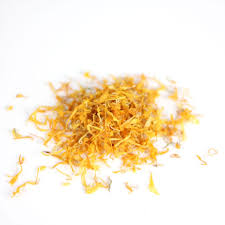
The main constituents of the herb are carotenoids, resin, essential oil, flavonoids, sterol, saponins and mucilage.
Healing Power
Marigold is a bitter tonic. It induces copious perspiration and is useful in killing intestinal worms.
Nomophobia: a growing trend in teenagers

Do you know this word? Nomophobia is a term describing a growing fear in today’s world — the fear of being without a mobile device, or beyond mobile phone contact. Among today’s high school and college students, it’s on the rise. An increasing number of college students now shower with their cell phone. The average adolescent would rather lose a pinky-finger than a cell phone. A growing percentage text or tweet instead of actually talking to others.
Nomophobia is everywhere in industrialized nations. The term is an abbreviation for “no-mobile-phone phobia,” which was coined during a 2010 study by the UK Post Office. The Post Office commissioned YouGov, a research organization, to look at anxieties suffered by mobile phone users. The study found that nearly 53 percent of mobile phone users in Britain tend to be anxious when they “lose their mobile phone, run out of battery or credit, or have no network coverage.”
Toothache: How to tackle the terrible pain

See your dentist first
Make an appointment to see your dentist if you are suffering from toothache.
NATURAL REMEDIES
Oil of cloves is a traditional remedy from your pharmacist that may help to soothe an aching tooth. Put a few drops of the oil on a piece of cotton wool, place it on the painful tooth, and bite down gently. Be careful to keep the oil off your tongue because it may burn a little.
Niacin: B vitamin reduces risk of heart attacks and other disease

Niacin is carried in the blood and is found in all tissues but most abundantly in the liver, Kidney, heart, tissues brain and muscles. A lack of niacin can cause cell damage anywhere in the body.
Like the other B vitamins niacin is crucial for the body’s usage of enzymes which provides the body energy and the building blocks for cell reproduction and repair. It is known to be involved in more than 200 enzymes reactions in the body involving the metabolism of carbohydrates, fats and proteins.
The blood sugar roller coaster

A candy bar may give you a rush of blood sugar, but half an hour later you’ll be pinching yourself to keep your eyes open as your blood sugar plummets. On the other hand, eat some beans and your blood sugar will rise slowly and stay up there for a week. (I’m kidding, but you get the point).
Great health benefits of Rosemary

Rosemary has long been regarded as the herb for remembrance. Mystically, it symbolizes loyalty, love and immortality. It was once believed to strengthen the heart as well as memory.
Exercise: how long it takes to get 'out of shape'

But once you do achieve your fitness goals and get to what you consider to be "in shape," what happens if you start slacking? How long does it take for negative results to start creeping in.
The answer: much sooner than you think.
We spoke recently to Shawn Arent, an exercise scientist at Rutgers University, and asked him to tell us how long it actually takes to get out of shape.
Here's what he told us:
What does Vitamin C do to your body?

Q. What function does vitamin C play in the body?
A Vitamin C has a variety of roles, all indispensable to good health. It is needed for the body to make the protein of connective tissue, or collagen, which is found throughout the body and helps to maintain the structure of tissues, including skin, muscles, gums, blood vessel s and bone. In the classic deficiency disease, scurvy, which has been recognized for many centuries, a lack of vitamin C leads to the breaking open of small blood vessels, the reddening and bleeding of skin and gums, loose teeth, general weakness and, eventually, death.
Great health benefits of Snake gourd herb

Snake gourd is a climbing herb with tendril divided into three parts. It has hairy, angular or 5 to 7 lobed leaves which emit a fetid odor when bruised. It has white male and female flowers and cylindrical, slender, tapering fruits with a waxy surface. Its fruits are orange in color when ripe and pulpy red at maturity.
An analysis of snake gourd shows it to consist of substantial amount of and little protein, fat fiber and carbohydrates. Its mineral and vitamins contents are calcium, phosphorus, iron, carotene, little thiamine, riboflavin and niacin. Its calorific value is 18.
How turmeric can lower blood sugar levels?

How does it work?
16 Mumbaikars test positive for swine flu, in 24hrs

Among the children who tested positive for the H1N1 virus on Wednesday, two, both 10 months old, from Nagpada and Andheri had to be admitted to different hospitals. The remaining five, including a three-month infant from Versova and four kids under 10 years from Goregaon, Mahalaxmi and Kandivli, were treated as outpatients. Around 17% of the H1N1-hit this year are very young children.
Leadwort herb: Versatile health benefits

The herb contains an orange yellow pigment, plumbagin a sitosterol and a fatty alcohol. The proportion of the plumbagin varies within the limits according to the locality, growth, age condition of the soil and the reason. The older the plant and drier the soil, the greater is the quantity of active principle found in its root.
What Vitamin A and Beta-Carotene do to your body?

Q. If vitamin A is fat-soluble; does that mean it's found in foods that contain fat?
A. Yes. Vitamin A occurs naturally only in foods of animal origin, such as liver, which is the storage place for vitamin A in animals and humans; some seafood; butter; whole milk and egg yolks. This form of vitamin A is usually called pre-formed vitamin A, or retinol. Retinol is also added to skim and low-fat milk.
Great health benefits of Henna herbs

The plant occurs in several parts of India, chiefly in the drier parts of the peninsula, and is usually cultivated in hedges. It is also cultivated for commercial purposes, in Punjab, Gujarat, Madhya Pradesh and Rajasthan.
The leaves contain a glucosidal coloring matter and hennotanic acid. On petroleum ether extraction, the seeds of the plant yield a viscous oil containing behenvc, arachidic, stearic, palmitic, oleic and linoleic acids.
Fluorine: Key health benefits and risks Q & A

Q. I know that a compound of fluorine, called a fluoride, is often added to some brands of toothpaste, and even to some water supplies to help reduce cavities. Does it really work for that?
A. Yes. Tooth decay rates are much higher than average in areas in which the drinking water is naturally low in fluorine. When adequate amounts of fluoride are incorporated into tooth enamel, the rate of tooth decay is substantially reduced. Studies show that it works not only for children's teeth, but for adults, too.
Effect of climate change on health

Climate change poses a wide range of risks to population health - risks that will increase in future decades, often to critical levels, if global climate change continues on its current trajectory.
The majority of the adverse effects of climate change are experienced by poor and low-income communities around the world, who have much higher levels of vulnerability to environmental determinants of health, wealth and other factors, and much lower levels of capacity available for coping with environmental change. A report on the global human impact of climate change published by the Global Humanitarian Forum.
Subscribe to:
Posts (Atom)